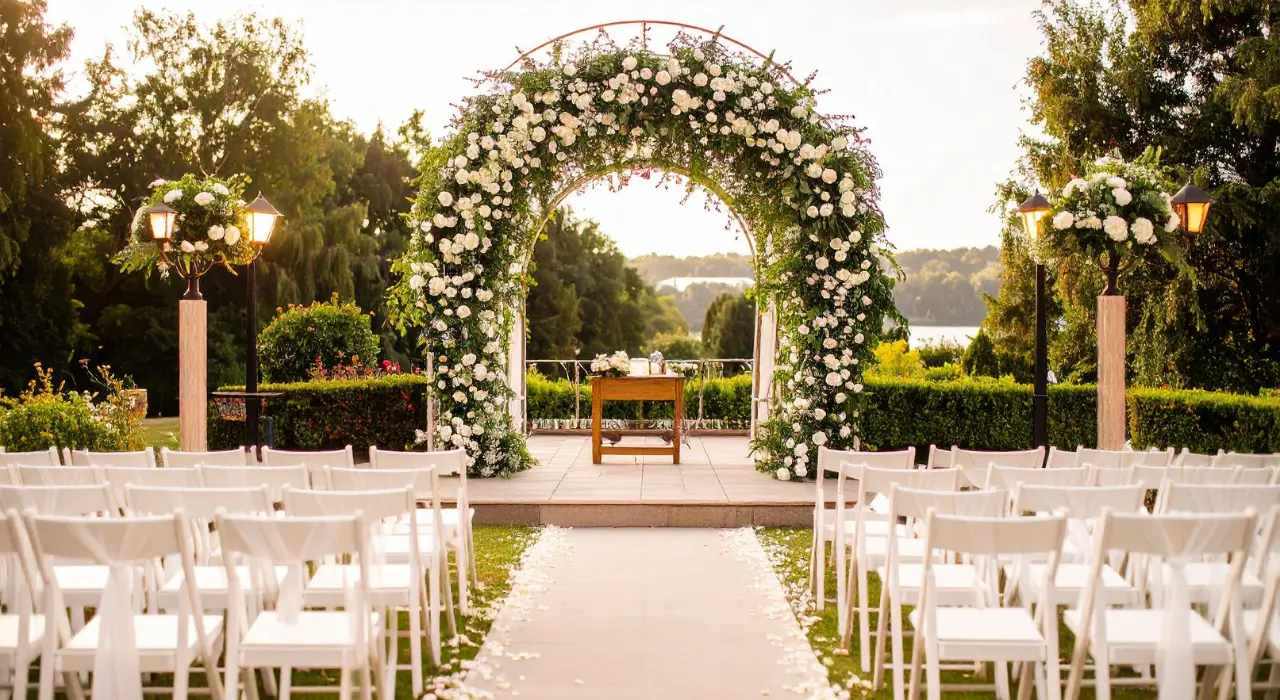
Choosing the right ensemble sets the entire emotional tone for your wedding. A string quartet feels like a royal procession, while a jazz trio feels like a sophisticated cocktail party.
Here is the breakdown of the “gold standard” instrumentations for each format and why they work so well.
Classical Ensembles
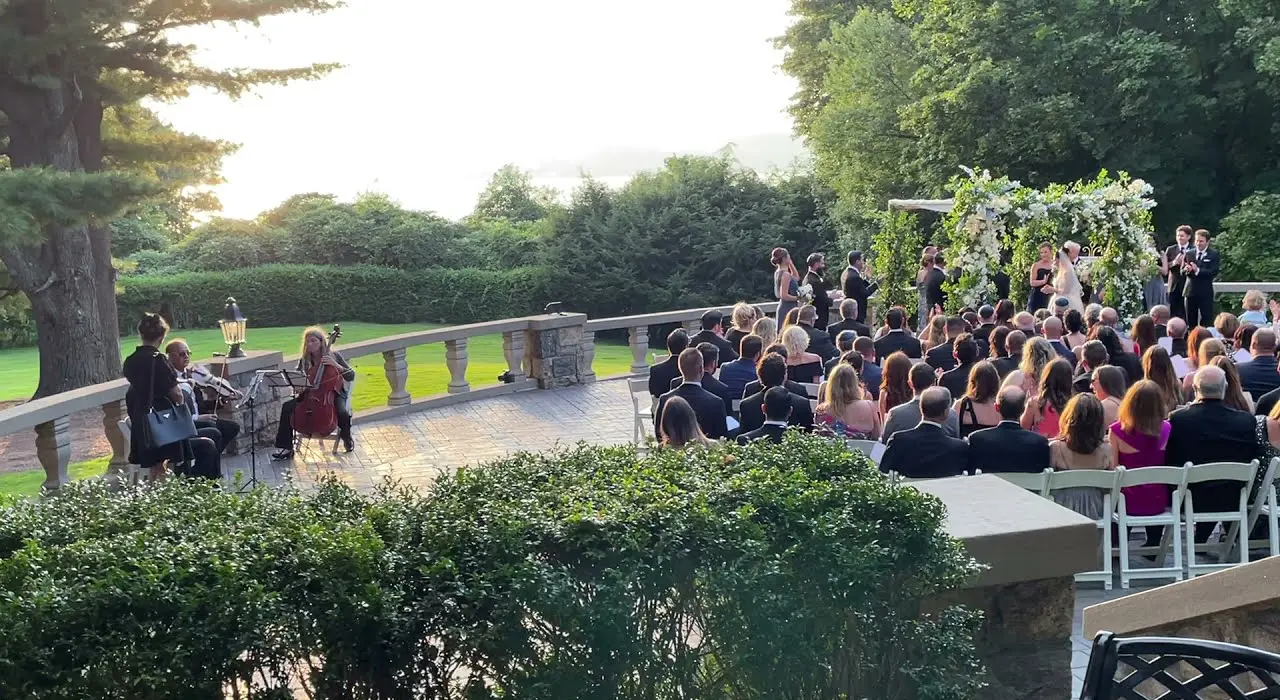
Classical groups provide that timeless, “walking through a garden” elegance. They are best for the ceremony itself and the immediate transition into the cocktail hour.
1. The Classical Trio
- Best Instrumentation: Violin, Viola, and Cello.
- Why it works: It’s a “stripped-down” quartet. You get the high melody (Violin), the grounding bass (Cello), and the Viola to fill in the harmony.
- The Vibe: Intimate and light. It’s perfect for smaller venues or outdoor gardens where you don’t want the music to overpower the conversation.
2. The Classical Quartet
- Best Instrumentation: Two Violins, Viola, and Cello.
- Why it works: This is the standard of excellence. Most wedding arrangements (from Pachelbel to Bridgerton-style pop covers) are specifically written for this exact lineup.
- The Vibe: Rich, full-bodied, and formal. The second violin adds a layer of rhythmic texture that makes the music feel “grand.”
Jazz Ensembles
Jazz groups bring a sense of “cool.” They are excellent for couples who want a ceremony that feels more like a modern celebration than a traditional rite.
1. The Jazz Trio
- Best Instrumentation: Piano (or Archtop Guitar), Upright Bass, and Saxophone.
- Why it works: The Piano/Guitar handles the chords, the Bass keeps the “heartbeat,” and the Saxophone acts as the “voice” of the group.
- The Vibe: Sophisticated and soulful. If you choose a “Piano, Bass, and Drums” trio, it’s punchier and more rhythmic, but replacing drums with a horn makes it feel more “ceremonial.”
2. The Jazz Quartet
- Best Instrumentation: Saxophone, Piano (or Guitar), Upright Bass, and Drums.
- Why it works: Adding drums gives you “the swing.” It allows the group to play everything from soft bossa nova during the seating of guests to a high-energy “recessional” (the exit) that gets people clapping.
- The Vibe: A mini-concert. It feels like a celebration is officially starting.
Comparison at a Glance
| Feature | Classical Quartet | Jazz Trio |
| Best For | Traditional, Grand, Formal | Modern, Relaxed, Chic |
| Volume | Acoustic (Natural projection) | Can be amplified if needed |
| Versatility | Excellent for Pop covers | Excellent for “The Great American Songbook” |
| Space Needs | Moderate | Higher (Piano/Drums take space) |
A Note on “The Wildcard”
If you are worried about the music being heard outdoors, consider a Harp. It works beautifully in both classical and jazz settings (think Dorothy Ashby vibes) and is visually stunning for photos.