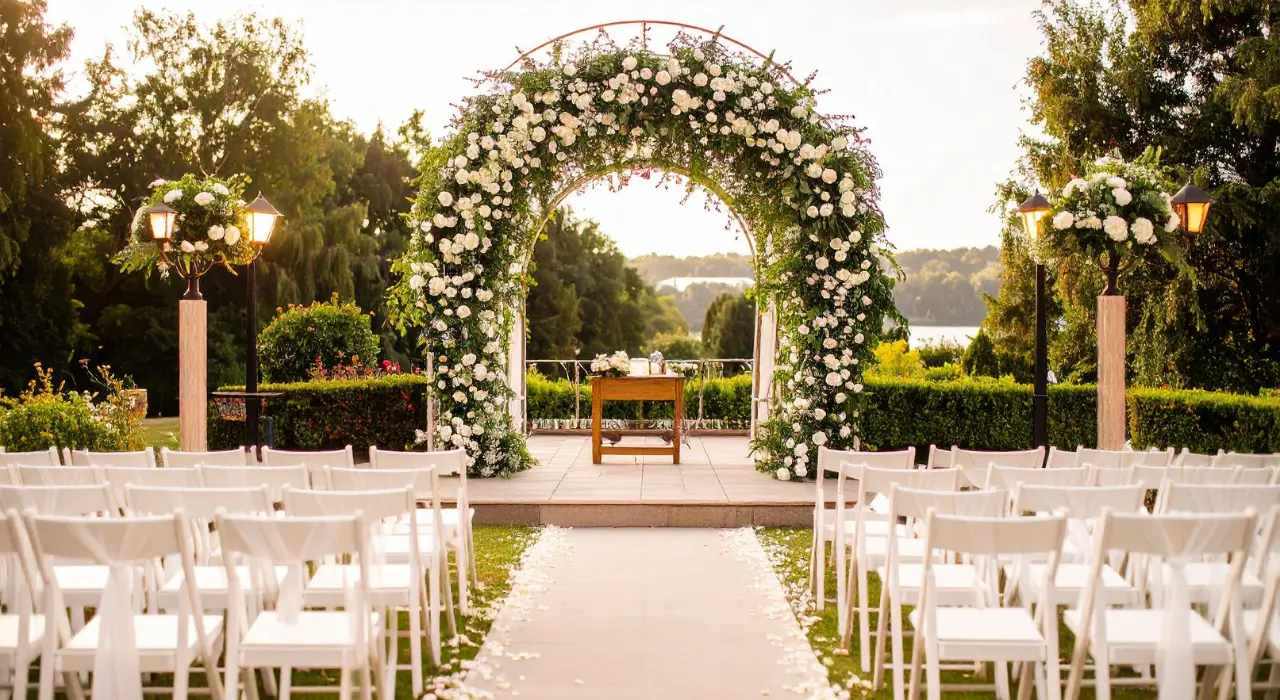
Choosing the right ensemble sets the entire emotional tone for your wedding. A string quartet feels like a royal procession, while a jazz trio feels like a sophisticated cocktail party.
Here is the breakdown of the “gold standard” instrumentations for each format and why they work so well.
What are the benefits of choosing Classical Ensembles for your wedding?
Classical ensembles are best for weddings seeking timeless elegance, providing a sophisticated atmosphere for the ceremony and immediate transition into the cocktail hour. These groups evoke a “walking through a garden” elegance, perfect for creating a refined ambiance.
What is the ideal instrumentation for a Classical Trio at a wedding?
- The ideal instrumentation for a Classical Trio at a wedding is Violin, Viola, and Cello. This combination works as a “stripped-down” quartet, providing the high melody (Violin), grounding bass (Cello), and harmony (Viola). The vibe is intimate and light, perfect for smaller venues or outdoor gardens where subtle music is desired.
What is the standard instrumentation for a Classical Quartet at a wedding?
- The standard instrumentation for a Classical Quartet at a wedding is Two Violins, Viola, and Cello. This lineup is considered the standard of excellence because most wedding arrangements, from Pachelbel to Bridgerton-style pop covers, are specifically written for it. The vibe is rich, full-bodied, and formal, with the second violin adding a grand rhythmic texture.
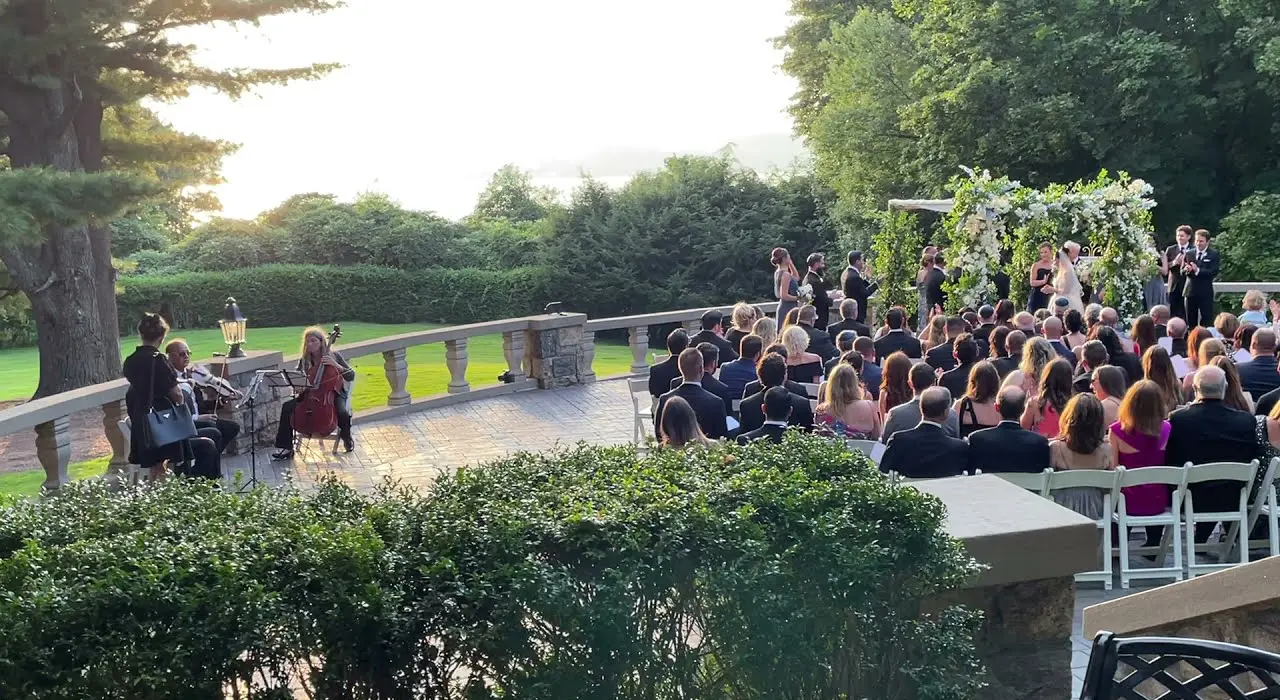
Why choose Jazz Ensembles for your wedding ceremony?
Jazz ensembles are an excellent choice for couples who desire a wedding ceremony that feels like a modern celebration rather than a traditional rite, bringing a distinct sense of “cool.” They are perfect for creating a contemporary and vibrant atmosphere.
What is the recommended instrumentation for a Jazz Trio at a wedding?
- The recommended instrumentation for a Jazz Trio at a wedding is Piano (or Archtop Guitar), Upright Bass, and Saxophone. This combination works by having the Piano/Guitar handle chords, the Bass maintain the “heartbeat,” and the Saxophone act as the group’s “voice.” The vibe is sophisticated and soulful, offering a more ceremonial feel than a Piano, Bass, and Drums trio.
What instrumentation defines a Jazz Quartet for a wedding, and why does it work?
- A Jazz Quartet for a wedding is defined by instrumentation including Saxophone, Piano (or Guitar), Upright Bass, and Drums. This lineup works because adding drums provides “the swing,” enabling the group to play a range from soft bossa nova during guest seating to high-energy recessional music. The vibe is like a mini-concert, signaling the official start of a celebration.
How do Classical Quartets and Jazz Trios compare for wedding events?
| Feature | Classical Quartet | Jazz Trio |
| Best For | Traditional, Grand, Formal | Modern, Relaxed, Chic |
| Volume | Acoustic (Natural projection) | Can be amplified if needed |
| Versatility | Excellent for Pop covers | Excellent for “The Great American Songbook” |
| Space Needs | Moderate | Higher (Piano/Drums take space) |
What alternative instrument should you consider for outdoor wedding music?
For outdoor wedding music, consider a Harp as an excellent alternative instrument. It works beautifully in both classical and jazz settings, evoking a sophisticated vibe (think Dorothy Ashby), and is visually stunning for photos, addressing concerns about music projection outdoors.